
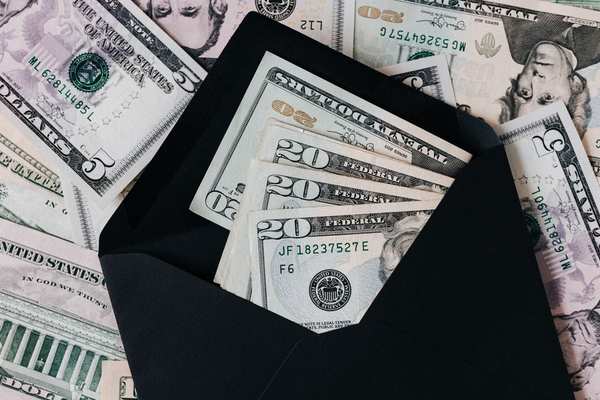
Choosing between the envelope system and a budgeting app can feel like choosing between two financial personalities. One is hands-on, visual, and deliberately old-school. The other is fast, automated, and designed to keep your budget in your pocket. Both can help you spend with more intention, but the better choice depends less on popularity and more on how you naturally manage money.
This envelope method comparison looks at the differences that matter in everyday life: awareness, convenience, flexibility, security, and maintenance. These budgeting styles share the same goal: giving every dollar a purpose before it disappears.
How the Envelope System Works
The traditional envelope system divides spending money into physical envelopes. Each represents a category such as groceries, dining out, transportation, entertainment, or personal care. At the start of the week or month, you place a set amount of cash into each category. Once an envelope is empty, spending in that category stops unless you intentionally move money from another one.
This method creates a clear boundary between planning and spending. You can see exactly how much remains without checking an account or waiting for transactions to post. That physical limit is one reason cash stuffing appeals to people who want a tangible budgeting routine.
Where cash envelopes work best
Cash envelopes are especially useful for flexible expenses that tend to creep upward. Grocery extras, takeout, coffee, hobbies, and impulse purchases become more noticeable when every purchase reduces a visible stack of bills. The method can help people who routinely swipe a card without feeling the immediate impact.
Physical envelopes are less practical for rent, utilities, subscriptions, and online shopping. Many users therefore keep fixed bills in the bank and use cash only for selected problem categories.
How a Budgeting App Works
A budgeting app organizes income, bills, savings goals, and spending categories digitally. Depending on the tool, you may enter transactions manually or connect financial accounts so activity is imported. The app then shows what has been spent, what remains in each category, and whether you are moving toward your goals.
Digital budgeting can recreate the envelope concept without physical cash. You assign money to virtual categories and track purchases against those limits. This suits people who like envelope-style planning but pay mainly by card or mobile wallet.
Where apps work best
Budgeting apps are useful for households with multiple accounts, frequent online payments, or shared finances. They can make it easier to review spending without collecting receipts. Reminders, recurring transaction tracking, reports, and goal progress may also be available in one place.
The trade-off is that automation can reduce awareness. A purchase may be categorized correctly without you actively noticing it. If you rarely open the app, the budget can become a record of what happened rather than a plan that shapes what happens next.
Cash vs App Budgeting: The Key Differences
Spending awareness
The envelope system provides strong immediate feedback. Handing over cash and watching an envelope shrink makes spending concrete. An app offers a broader view, but only when you engage with it. People who need a firm pause before discretionary purchases may benefit more from cash.
Convenience
Apps win on convenience for most modern transactions. They travel with your phone, support online purchases, and can cover nearly every category. Cash requires ATM visits, change, receipts, and secure storage. It can also be awkward when several household members spend from the same category.
Setup and maintenance
Physical envelopes are simple to understand but require regular preparation. You must withdraw cash, divide it, and possibly record purchases. Apps may take longer to configure, especially when setting categories or linking accounts, but they can reduce repetitive work later.
Privacy and security
Cash does not require sharing financial data with a digital service, but it can be lost or stolen. An app keeps less money physically exposed, yet users should review its privacy practices, account permissions, security features, and fees before connecting accounts.
Flexibility
Both methods allow adjustments. Moving cash between envelopes is visible and slightly inconvenient, which can discourage casual overspending. Moving money between digital categories takes seconds, which helps when plans change but may make limits easier to ignore.
Which Budgeting Style Fits You?
The envelope system may fit you better if you overspend in a few predictable categories, prefer visual limits, enjoy hands-on routines, or want a stronger connection to each purchase. It can also work during a short spending reset, even if you do not plan to use cash permanently.
A budgeting app may be the better match if most of your spending is digital, you manage several accounts, want reports and reminders, or coordinate a household budget. It is also more practical for people who travel often or rarely carry cash.
Think honestly about consistency. The most detailed app is not useful if you avoid opening it, and labeled envelopes will not help if you keep using a card for the same categories. The best system is the one you check before spending, not only afterward.
A Hybrid System Can Work Better
You do not have to treat envelope system vs budgeting app as an all-or-nothing decision. A hybrid budget can combine digital oversight with physical limits. Use an app for income, bills, savings, debt payments, and overall tracking. Then use cash envelopes for two or three categories where overspending is common.
This keeps the convenience of electronic payments while adding friction where you need it. Groceries and dining out might use cash, while insurance and subscriptions remain digital. Review both sides weekly so withdrawals and app balances stay aligned.
How to Test Each Method
Try one method for a full month before judging it. Choose realistic limits based on recent spending, then note how often you check the system, whether it changes purchase decisions, and how much maintenance it requires. If the routine feels overwhelming, simplify the categories rather than abandoning the budget immediately.
Frequently Asked Questions
Is the envelope system better than a budgeting app?
Neither is universally better. The envelope system offers stronger physical limits, while an app provides greater convenience and a fuller view of digital finances. Your habits and payment methods should guide the choice.
Can I use the envelope method without cash?
Yes. You can create virtual envelopes in a budgeting app, spreadsheet, or bank subaccounts. The key principle is assigning money to categories before spending and respecting the amount available.
Are budgeting apps safe to connect to bank accounts?
Security varies by provider. Review how an app accesses data, what security controls it offers, and how it handles personal information. Use a strong unique password and multi-factor authentication when available.
How many budget categories should I start with?
Start with a manageable number. Fixed bills can be grouped broadly, while variable categories should reflect areas where spending decisions are made. Too many categories can make either method difficult to maintain.
Conclusion
The envelope system and budgeting apps solve the same problem in different ways. Cash creates visible limits and intentional pauses. Apps offer speed, automation, and a complete digital overview. Your best choice is the one that matches how you actually spend and gives you useful information before a purchase.