
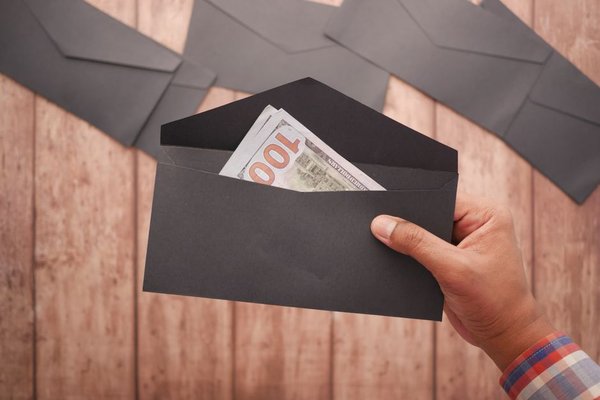
Cash stuffing looks almost made for TikTok. Crisp bills are counted, divided into colorful envelopes, and slipped into labeled binders for groceries, gas, dining out, gifts, and savings challenges. The videos are satisfying, but the idea is more than a social media aesthetic. The cash stuffing method TikTok users have popularized is a modern version of the traditional envelope budgeting system, designed to make everyday spending visible and easier to control.
Cash-stuffing content has attracted billions of views across social platforms, helping an old technique feel new again. Its appeal is easy to understand: when digital purchases happen with a tap, physical cash creates a clear stopping point. Once an envelope is empty, the budget for that category is finished. Still, the method is not right for everyone, and it works best when adapted to real bills, safety concerns, and personal spending habits.
What Is the Cash Stuffing Method?
Cash stuffing is a budgeting method in which you divide available spending money among separate envelopes or binder pouches. Each envelope represents a category, such as groceries, transportation, entertainment, personal care, or household supplies. You decide how much each category can receive, withdraw that amount in cash, and “stuff” the envelopes.
When you buy something, you use money from the matching envelope. You do not borrow from another category unless you consciously revise your budget. That boundary is the heart of the system. Instead of checking an app and trying to remember pending transactions, you can see exactly how much remains.
The envelope budgeting trend is not a new invention. Households used labeled envelopes long before online banking. TikTok simply gave the method a visual makeover through decorative binders, savings trackers, payday check-ins, and videos showing people working toward financial goals.
Why Cash Stuffing Became a Viral Budgeting Trend
It makes spending feel real
Card and mobile-wallet payments are convenient, but that convenience can make spending less noticeable. Handing over physical bills creates a stronger sense that money is leaving your budget. For some people, this extra moment of awareness reduces impulse purchases.
It creates visible limits
A banking app may show your total balance without explaining how much is safely available for restaurants after rent, utilities, and insurance are covered. Cash stuffing separates those decisions. If the dining-out envelope contains $35, the limit is immediately obvious.
It turns budgeting into a routine
Many cash stuffing TikTok videos focus on a payday ritual: reviewing income, assigning money, filling envelopes, and updating trackers. The process can make budgeting feel less like punishment and more like regular planning. That visible progress is one reason viral budgeting content remains popular.
How to Start Cash Stuffing
Start with take-home income
Use the amount that reaches your account after taxes, payroll deductions, and other withholding. If your income changes monthly, build the budget around a conservative estimate or work one paycheck at a time.
Cover essential and digital bills first
Cash stuffing is usually most practical for flexible spending, not every obligation. Leave enough in checking for rent or mortgage payments, utilities, subscriptions, debt payments, insurance, and automatic withdrawals. Missing a required payment just to create fuller envelopes defeats the purpose.
Choose a few variable categories
Begin with three to five areas where overspending is likely. Groceries, takeout, entertainment, gas, and personal spending are common choices. Review recent transactions to set realistic amounts rather than copying a creator’s budget. Your household costs, location, and income should determine the numbers.
Track spending and decide on leftovers
Label each envelope, add the planned amount, and record what you spend. Money left at the end of the period can roll forward, go toward a savings goal, or support an extra debt payment. Decide on the rule in advance so leftover cash does not quietly become unplanned spending.
Benefits of Cash Stuffing
The biggest advantage is awareness. You give each dollar a job before spending it, which can help if small purchases regularly add up or credit card balances feel surprising. The method also makes short-term goals more concrete. Setting aside $20 each week for holiday gifts or car maintenance may feel more achievable when you can watch the envelope grow.
Cash stuffing does not create extra income, but it can reveal trade-offs. It is inexpensive to try: plain envelopes work, and a notebook can handle tracking. Decorative binders are optional and should not become another shopping category.
Drawbacks and Safety Considerations
Keeping large amounts of cash at home carries risks. Money can be lost, stolen, or damaged, and cash outside a bank does not have the protections available to eligible deposits at an insured financial institution. Physical envelopes are generally better suited to routine spending than emergency savings or large sinking funds.
Cash is inconvenient for online shopping, recurring bills, travel reservations, and purchases where card protections may be useful. If a category repeatedly runs short, review the amount instead of treating every adjustment as failure. An unrealistic budget is simply harder to maintain.
Can You Use Digital Cash Stuffing?
Yes. Digital cash stuffing applies category limits without withdrawing physical money. You can use bank “buckets,” separate accounts, or a budgeting app that assigns available funds to virtual envelopes. This may be safer and more practical for people who pay most expenses online.
A hybrid system often works best. Keep automatic bills and larger savings in the bank, use cash for one or two problem categories, and track the rest digitally. The best version is the one you can follow consistently, not the one that looks most attractive in a short video.
Frequently Asked Questions
Does cash stuffing actually save money?
It can help you spend less by creating clear category limits, but it does not guarantee savings. Results depend on realistic planning, consistent tracking, and what you do with money left over.
How much cash should a beginner stuff?
Start with the amount assigned to a few flexible categories for one week or one pay period. Base it on your income, essential bills, recent spending, and local costs rather than a universal figure.
Do I need a special cash-stuffing binder?
No. Regular envelopes are enough. Binders and trackers are optional and should not become an unnecessary expense.
Is cash stuffing better than a budgeting app?
Neither is universally better. Cash may provide stronger physical limits, while apps are more convenient for online spending and automatic tracking. Many people benefit from combining both.
Is the TikTok Cash Stuffing Trend Right for You?
The cash stuffing method TikTok brought back into the spotlight works because it makes money tangible. It replaces vague intentions with visible limits and gives everyday spending categories a clear purpose. For people who overspend with cards or struggle to follow a digital budget, that simplicity can be useful.
Viral budgeting should be treated as inspiration rather than a fixed rulebook. Keep essential bills and larger savings secure, choose categories based on your own expenses, and adjust the system when life changes. Whether you use envelopes, bank buckets, or a hybrid approach, the goal is the same: knowing where your money is going before it disappears.