
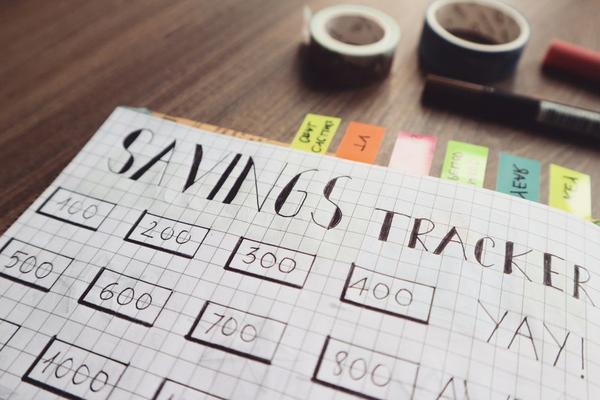
An automatic savings plan works best when it asks less of your memory and more of your calendar. Instead of saving whatever remains at month’s end, you arrange for a manageable amount to move into savings when money arrives. The habit becomes part of payday, not another task competing for attention.
The key isn’t making the biggest possible deposit. It’s creating a routine that survives ordinary weeks, surprise bills, and occasional expensive months.
Start With What You Can Reliably Spare
Review your recent take-home pay and when essential bills leave your account. Include housing, utilities, debt minimums, groceries, transport, and predictable irregular expenses. Money left after these needs offers a more useful starting point than an arbitrary savings percentage.
If finances are tight, begin with $5 or $10 per payday. A modest recurring transfer that stays active beats an ambitious deposit you cancel after two weeks. A monthly budget and bill calendar can help you choose an amount that doesn’t compete with money already committed elsewhere.
Choose a Separate Home for Your Savings
Identify a savings account with manageable fees and access appropriate to your goal. Compare interest rates, account requirements, transfer rules, and applicable deposit protection. Separation from everyday checking helps you track progress without mistaking saved money for spending money.
Give the account a purpose, such as an emergency cushion, an annual insurance bill, or a planned purchase. Some banks let you create separate savings buckets for multiple goals. Keep emergency savings reasonably accessible; locking it away where withdrawals carry penalties may defeat its purpose.
Set Up Your Automatic Transfer
Schedule Transfers Through Your Bank
Open your banking app and look for scheduled or recurring transfers. Select your checking account as the source, savings as the destination, then choose the amount, date, and frequency. Review the details before confirming. Options vary, but many banks and credit unions support weekly or monthly schedules.
Choose a date shortly after your paycheck normally clears, rather than automatically using the first of the month. Enable balance alerts and check whether transfer or overdraft fees could apply.
Use Direct Deposit Savings Through Payroll
Ask your employer whether payroll supports splitting direct deposit. If available, you can direct a fixed amount or percentage of each paycheck into savings and send the remainder to checking. The saved portion bypasses the account used for daily spending.
Confirm the effective date and inspect your first paycheck and both account balances. Not every employer offers split deposits. If yours doesn’t, a scheduled bank transfer shortly after payday can work almost as well.
Let Your Cash Flow Set the Timing
Weekly pay often pairs naturally with weekly deposits; biweekly pay may suit transfers every two weeks. If you’re paid monthly, consider bills that arrive immediately afterward before choosing your savings date. Aim to automate savings without leaving checking short for obligations.
Keep a buffer for late-posting bills and variable costs. A transfer that repeatedly forces you to borrow or move money back isn’t sustainable. The Consumer Financial Protection Bureau recommends paying attention to account balances and upcoming payments when saving automatically.
A Realistic Payday Example
Imagine Maya receives $1,600 every two weeks. After reviewing expenses, she chooses to save $40 from each paycheck. Her employer allows split direct deposit, so $40 goes straight to savings and $1,560 goes into checking. Across 26 paychecks, that’s $1,040 in contributions over a year, before any interest and assuming no withdrawals.
Maya also knows her car insurance renews twice yearly. She keeps that predictable bill in a separate savings bucket rather than raiding her emergency money. When a costly month arrives, she temporarily lowers her deposit instead of abandoning the system.
Review the System Without Micromanaging It
Check your first two transfers, then set a monthly reminder. Did the money arrive? Was checking comfortably funded afterward? Is the amount still realistic? If so, leave the routine alone. Consistency matters more than constant adjustments.
When income rises or a loan payment ends, consider increasing the deposit slightly. If expenses climb, scale it back. You can connect the habit to a wider pay-yourself-first routine and a practical emergency fund target, rather than saving aimlessly.
Adapt Savings Automation to Uneven Income
Freelancers and commission earners may struggle with a fixed transfer on a fixed date. Consider saving a conservative portion of each cleared payment, using a percentage-based bank feature if available or making an extra transfer manually. Another approach is to automate a tiny baseline amount and add more in strong months.
First reserve enough for taxes, business expenses, and essential bills. Base savings on money actually received, not unpaid invoices. Reducing deposits during a slow stretch is responsible planning, not a failure of the habit.
Watch for the Small Mistakes That Derail Progress
The common pitfalls are transferring too much too soon, scheduling deposits before payday clears, overlooking annual bills, paying avoidable fees, and ignoring failed-transfer notices. Round-up tools that save spare change can be useful extras, but they may not reliably fund a time-sensitive goal on their own.
Review your plan whenever your work, household costs, or priorities change. Automation should remove repetitive decisions without removing your ability to respond to real life.
Frequently Asked Questions
How much should I save automatically?
Start with an amount you can afford after essential expenses and required debt payments. Even a few dollars per payday can establish a routine. Increase it once your checking balance shows the deposits are sustainable.
Is split direct deposit better than a bank transfer?
Neither option is best for everyone. Payroll splitting saves money before it reaches checking, if your employer supports it. Bank transfers offer similar consistency and may be easier to adjust independently.
Can recurring transfers cause overdraft fees?
They can contribute to a shortfall if checking lacks enough funds when the transfer runs. Bank policies differ. Align the schedule with cleared income, maintain a buffer, and monitor alerts and account terms.
Should I pause saving when money is tight?
Yes, if deposits would jeopardize necessities or critical bills. Reduce or pause transfers temporarily and review them when your cash flow improves. An automatic savings plan should support your finances, not destabilize them.
Make Saving the Easy Default
The strongest plan isn’t the one that looks most impressive on paper. It’s the one that keeps working through ordinary paydays and adjusts when life changes. Start small, match the schedule to your income, monitor early transfers, and revisit the amount periodically. With those safeguards, saving becomes a dependable routine rather than a monthly debate.