
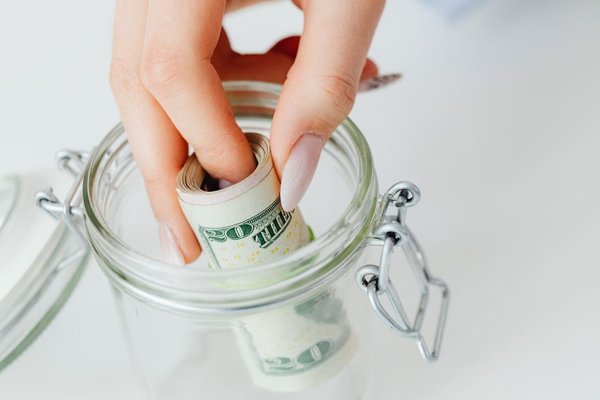
You’ve built an emergency fund, and now a bill has arrived that you didn’t plan for. The money is there, but using it feels like breaking a rule. Should you withdraw it or find another way to pay? The answer depends less on how surprising the bill is and more on what happens if you don’t pay it.
Knowing when to use your emergency fund means drawing a practical line between a genuine financial setback and an expense that belongs in your budget. A good decision protects your health, housing, income, or essential daily life without treating every inconvenience as a crisis.
The three-question test before you withdraw
There isn’t one universal set of emergency fund rules. Your circumstances matter, but three questions can make the decision clearer.
Was the expense genuinely unplanned?
A sudden dental problem may qualify. A car insurance renewal due every six months does not, even if you forgot about it. Predictable but irregular bills belong in a separate savings category, sometimes called a sinking fund.
Is paying necessary rather than optional?
Ask whether delaying payment could threaten your health, safety, housing, essential transportation, or ability to earn income. Replacing a failed refrigerator is different from upgrading a working one. A modest expense can be critical.
Can your regular cash flow cover it safely?
If you can pay from this month’s discretionary spending without missing essentials, you may not need to touch savings. But don’t drain your checking account so completely that rent, groceries, or utilities become the next emergency. The fund exists to absorb financial shocks.
Emergency expense examples that usually justify using savings
Job loss or an unexpected income gap
When work stops or hours are cut, use emergency savings to cover necessary living costs while you look for replacement income. Prioritize housing, food, utilities, insurance, transportation, and required debt payments. Reduce optional spending early so the money lasts longer.
Income interruptions can also affect freelancers and hourly workers. A delayed client payment may justify a temporary withdrawal if essential bills are due and there is no safer source of cash.
Urgent medical or dental care
An unexpected insurance deductible, prescription, or necessary treatment can be a legitimate reason to withdraw. Before paying, check your coverage, request an itemized bill, and ask whether the provider offers an affordable payment plan.
Essential repairs at home or on the road
A leaking pipe that risks damaging your home, a broken heater in freezing weather, or a repair needed to keep your work vehicle safe are strong candidates. Get a quote where time permits, separate the essential fix from upgrades, and check for insurance or warranty coverage.
Suppose your car needs a $650 brake repair and you rely on it to commute. If postponing the work is unsafe and your regular budget can’t absorb the cost, using emergency savings is reasonable. Replacing the car’s functioning stereo at the same time is not.
When to leave your emergency fund alone
Not all unexpected expenses are emergencies. Sales, last-minute travel deals, entertainment, holiday gifts, and upgrades are typically wants, even when an opportunity feels time-sensitive. Routine maintenance, annual subscriptions, property taxes, and predictable school expenses should generally have their own budget lines.
A nonessential purchase doesn’t become an emergency merely because your checking balance is low. If regular spending repeatedly forces you to use emergency savings, review your spending plan instead of treating each shortfall as a crisis. A guide to budgeting for irregular expenses can help make those bills more predictable.
That said, essentials come first. If an ordinary grocery bill becomes unaffordable after a sudden loss of income, the income loss is the emergency. You can use emergency savings to keep food on the table.
What about gray-area expenses?
Some decisions aren’t obvious. Imagine your laptop fails. If it’s essential to your job and you have no workable alternative, a reasonably priced repair or replacement may qualify. If you mainly use it for entertainment and can wait, saving up is more appropriate.
Or consider traveling to support a seriously ill family member. The trip may be urgent and deeply important even though it doesn’t fit a simple list of emergency expense examples. You might reasonably use part of your fund, especially if postponing would have serious consequences. Set a spending limit and look for lower-cost travel options.
Think about the consequences of waiting, not just the label on the expense. Personal emergency fund rules should leave room for genuine human needs without turning every preference into an exception.
How much should you withdraw?
Take what you need to solve the immediate problem, not automatically the full amount available. Compare estimates, use insurance or assistance where applicable, and preserve enough cash for the next essential bill if possible. Avoid a high-interest loan merely to keep savings untouched; interest and fees can make the problem more expensive.
For a prolonged income gap, shift from individual bills to a weekly essentials-only spending plan. Estimate how long your remaining savings could last, then revisit the plan as income or costs change. Guidance on how much emergency savings to keep can help set a future target, but there is no required minimum balance before using your own money.
What to do after using emergency savings
Once the urgent expense is handled, record what happened and how much you withdrew. Was it truly unforeseeable, or should you create a separate category for future costs? That distinction helps you avoid repeating the same withdrawal.
Start replenishing the fund when your essential bills are secure. Even a small automatic transfer each payday creates momentum. If you are rebuilding after a job loss, begin with an achievable amount rather than a punishing savings target. Your emergency fund is doing its job when it helps you recover; a lower balance after a real emergency is not a failure.
Frequently asked questions
Can I use my emergency fund to pay off credit card debt?
Usually, regular debt repayment belongs in your budget, not your emergency fund. If a missed required payment would create immediate hardship, the choice may differ. Consider interest costs, available cash, and your remaining protection before making a large withdrawal.
Is a car repair a reason to use emergency savings?
Yes, if the repair is unexpected, necessary for safe or essential transportation, and unaffordable from regular cash flow. Scheduled oil changes and routine tire replacements should normally be planned in advance.
Should I use the fund if I still have money in checking?
Not necessarily. Use available money that isn’t already needed for essential bills first. If paying from checking would leave you unable to cover those bills, a partial savings withdrawal can make sense.
Do I have to rebuild the fund immediately?
No. Stabilize your finances first, then make a manageable replenishment plan. Consistent contributions are usually more sustainable than trying to replace everything at once.
The bottom line
Use emergency savings when an unplanned cost or income disruption threatens something essential and your normal budget cannot reasonably absorb it. Leave the fund alone for wants and foreseeable bills, but don’t hesitate to use it for the purpose you built it for. Clear boundaries today make the next difficult money decision easier.